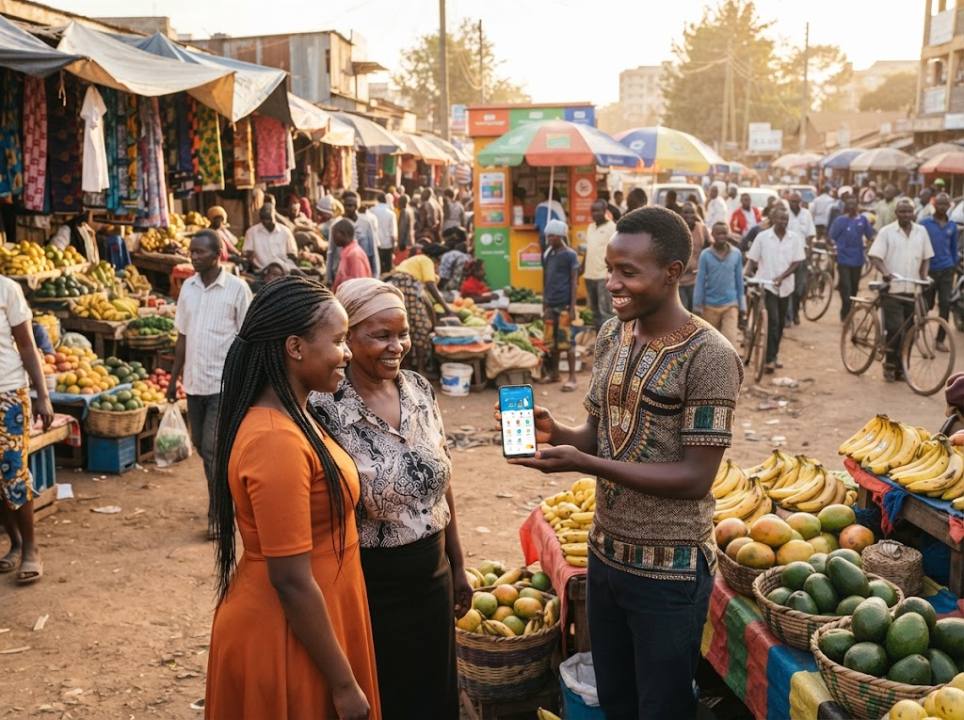
Africa is home to some of the world's fastest-growing consumer markets, a young population and rapid mobile adoption. Many companies enter the continent with English, French or Portuguese content, because these are official languages in many countries. Yet a large share of consumers prefer, and trust, communication in the languages they speak every day: Swahili in East Africa, Hausa and Yoruba in West Africa, Amharic in Ethiopia, Zulu and Afrikaans in South Africa.
This article explains why African languages matter for business and how to plan translation into them.
Official Languages Are Only Part of the Picture
In many African countries, official business happens in English or French, but daily life happens in local languages. A farmer in Tanzania, a trader in Kano or a shop owner in Addis Ababa may understand an English message, but will respond more readily to one in Swahili, Hausa or Amharic.
Speaking a customer's everyday language signals respect and builds trust far faster than any slogan.
The Major Languages to Know
- Swahili: spoken by tens of millions across Kenya, Tanzania, Uganda and beyond.
- Hausa: a major language of trade across Nigeria, Niger and the wider Sahel.
- Yoruba and Igbo: widely spoken in Nigeria.
- Amharic: Ethiopia's working language, written in its own Ge'ez script.
- Zulu, Xhosa and Afrikaans: among South Africa's many official languages.
Resources such as Ethnologue provide data on where languages are spoken and by how many people, which helps companies prioritise.
Choose a Specialist Partner
Translation into African languages requires native linguists who understand regional variation and modern usage. Professional language services can source qualified translators, set up review by a second native speaker and handle scripts such as Ge'ez correctly in layouts and websites.
Marketing That Feels Local
Advertising and social media content need adaptation, not literal translation. Humour, proverbs, music references and imagery differ between regions. Specialist marketing translation services help brands find a voice that sounds natural to young urban audiences in Nairobi or Lagos, as well as to rural customers who may prefer more traditional language.
Mobile-first content
In many African markets, the phone is the main or only internet device. Content should be short, clear and designed for small screens and limited data. SMS, messaging apps and voice messages are often more effective than long web pages.
Business and Partner Communication
Distributors, agents and franchise partners often prefer contracts and training material in English or French, but operational guides, product labels and customer-facing documents work better in local languages. Using business translation services ensures that terminology stays consistent between legal documents, training material and customer communication.
Voice and Audio Matter
Many African languages have strong oral traditions, and radio remains influential. Audio adverts, voice messages and recorded instructions in local languages can reach audiences that text cannot, including people with lower literacy. Native voice talent with the right regional accent makes a big difference.
Quality Control
Because some African languages have fewer professional translators and less standardised terminology, quality control is essential. Agree on a glossary early, ask for review by a second native linguist and test key materials with local customers before large campaigns.
- Prioritise languages by market data, not assumptions.
- Use native translators from the target region.
- Build a glossary of product and technical terms.
- Test content with real users.
- Keep updating terminology as the market evolves.
Regulatory and Labelling Requirements
Some countries require product labels, safety information or consumer documents in national languages. Check requirements for each market before printing packaging, as changing labels later is expensive.
Measuring Success
Track engagement, enquiries and sales by language and region. Companies that add local languages often see higher response rates, stronger brand recall and better customer loyalty, especially in competitive consumer markets.
Customer Support in Local Languages
Translated marketing creates expectations. Customers who see an advert in Swahili or Hausa will often reply, call or send voice notes in the same language. Brands should plan support channels accordingly: native-speaking agents for the main languages, approved reply templates for common questions, and clear escalation routes for complex issues. Messaging apps are widely used for customer service in many African markets, so support teams need to be comfortable handling text and voice messages quickly.
It also helps to translate frequently asked questions, terms of service and returns policies into the same languages used in advertising. Consistency between promise and support is what turns first-time buyers into loyal customers.
Working Across Several Countries
Many companies expand region by region rather than country by country. East African expansion might combine Swahili and English across Kenya, Tanzania and Uganda, while West African plans could combine French, English, Hausa and Yoruba. Planning a shared glossary and brand voice for each language group keeps campaigns consistent across borders and reduces translation costs as the business grows.
Final Thoughts
Africa's markets reward companies that speak to people in their own languages. With careful prioritisation, native specialists, mobile-friendly formats and strong quality control, brands can build trust from Nairobi to Lagos and from Addis Ababa to Johannesburg.