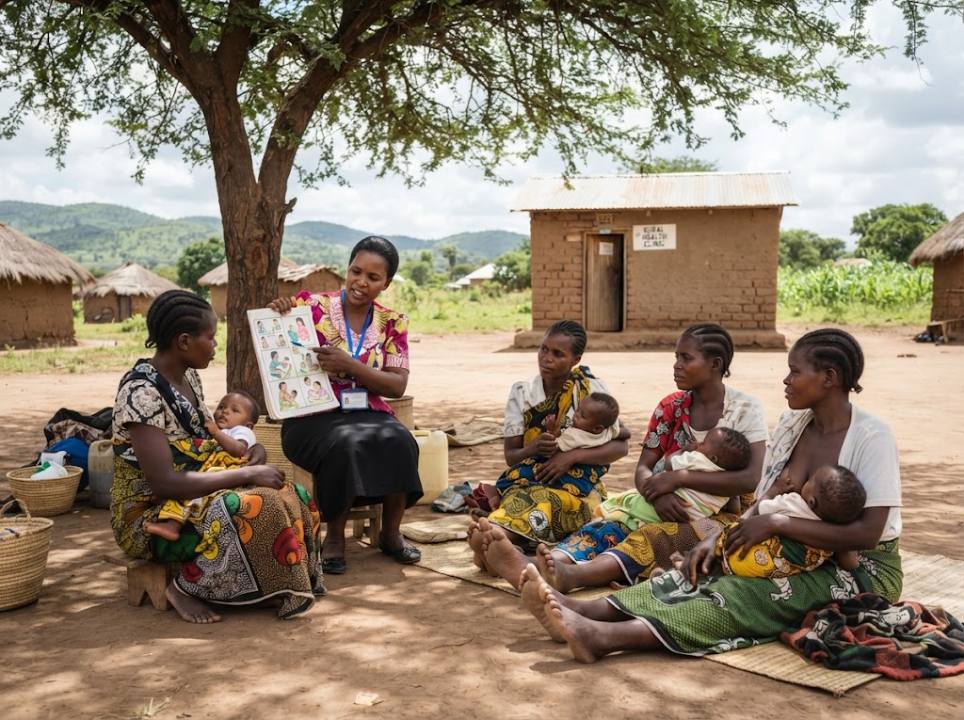
A vaccination campaign in rural Kenya, a maternal health programme in northern Nigeria, a malaria prevention project in Ethiopia: each depends on one simple condition. People must understand the message. Leaflets in English or French, however well designed, often fail to reach the families who need them most. Health information in local languages, adapted to local culture, changes outcomes.
This article explains how health organisations can communicate effectively in African languages.
Why Language Shapes Health Outcomes
When patients misunderstand dosage instructions, warning signs or follow-up appointments, treatment fails. When communities distrust a message because it sounds foreign, uptake drops. Research and experience across global health programmes point in the same direction: clear information in people's own language improves adherence, trust and results.
Translation in health is not a courtesy. It is part of the intervention itself.
What Needs Translating
- patient leaflets and medication instructions,
- vaccination and screening campaign materials,
- consent forms for clinical research,
- training materials for community health workers,
- radio scripts, posters and SMS messages,
- questionnaires and survey tools.
Specialist medical translation services combine native linguists with medical reviewers, so that terminology is accurate and the text remains understandable for readers without medical training.
Plain Language First
The best translations start with clear source text. Before translating, simplify the original: short sentences, everyday words, one idea per paragraph, concrete instructions. A message that is hard to understand in English will be even harder in translation.
Cultural Adaptation
Health concepts are not always expressed the same way across cultures. Some languages have no single word for certain conditions; others describe illness through symptoms or traditional terms. Good translators and local health workers work together to find expressions people recognise, and adapt examples and images to local life.
The World Health Organization publishes guidance and materials on risk communication and community engagement that many programmes use as a starting point for local adaptation.
Interpreters in Clinics and Outreach
Written materials are only part of the picture. In clinics, outreach visits and community meetings, trained interpreters help health workers explain diagnoses, consent and treatment options. Interpreters should understand confidentiality and medical vocabulary, especially for sensitive topics such as reproductive health or HIV.
Research and Clinical Trials
Clinical studies in Africa require consent forms, patient information and questionnaires in the languages participants speak. Ethics committees often ask for back-translation and evidence that the translation was produced by qualified people. A certified translator can provide signed statements of accuracy where documentation must be submitted to regulators or sponsors.
Testing With Communities
Before printing thousands of leaflets or launching a radio campaign, test the materials with a small group of community members. Ask them to explain the message in their own words. If they cannot, revise the text or images. This step is quick and inexpensive, and it often reveals misunderstandings no translator could predict.
Formats That Reach People
Literacy levels vary, so combine formats: pictograms, audio messages, community radio, video on mobile phones and face-to-face sessions. Audio and video in local languages are particularly effective for reaching older people and rural communities.
Managing Many Languages
- Map the languages spoken in each programme area.
- Prioritise by population and health need.
- Create a shared glossary of medical terms per language.
- Use native translators and medical reviewers.
- Test with community members and revise.
- Keep versions organised and updated.
Working With Community Health Workers
Community health workers are often the most trusted messengers in rural areas. They speak the local languages, understand local beliefs and know which words people use for symptoms and treatments. Involving them in reviewing translations and training them with materials in their own language strengthens both accuracy and acceptance. Their feedback after field use is one of the best sources for improving the next version of any leaflet or script.
Budget and Timelines
Translation into African languages may take longer than into major European languages, because specialist medical translators are fewer. Build this into project plans and budgets from the start. Reusing approved terminology and translation memory across projects reduces cost and improves consistency over time.
Digital Health Tools
Mobile health apps, SMS reminders and telemedicine platforms are spreading quickly across Africa. These tools need translated interfaces, notifications and help texts. Short messages must stay clear within strict character limits, and voice-based options help users who prefer listening to reading. Testing digital tools with real users in each language is as important as testing printed materials, because small wording issues can stop people from completing a registration or understanding a reminder.
Small improvements in wording, repeated across thousands of patients, add up to real differences in health.
Final Thoughts
Health information only works when people understand and trust it. By translating into local languages, adapting content culturally, testing with communities and using professional medical linguists and interpreters, health programmes can reach the people who need them most and achieve better, lasting results.